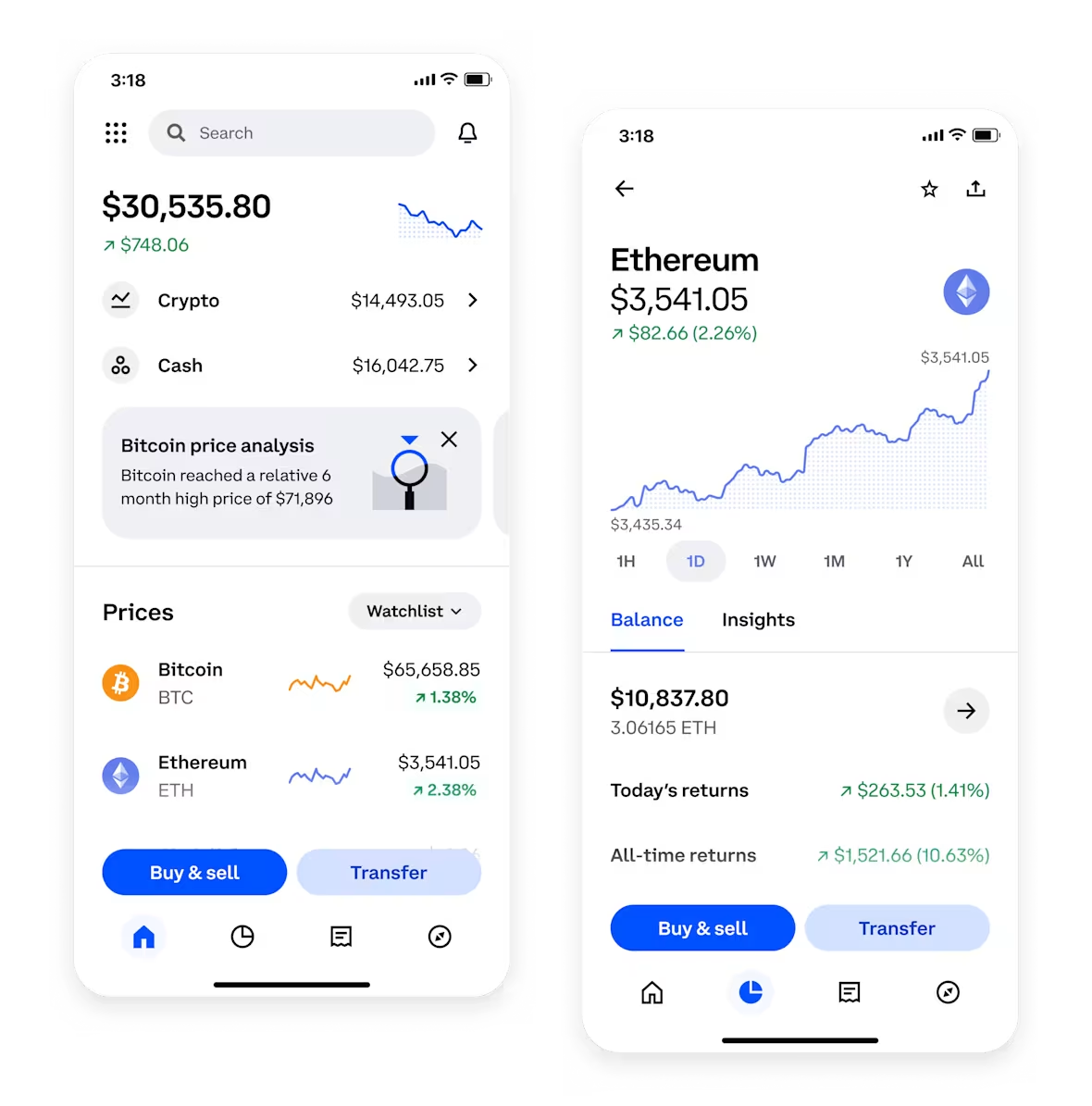

When it comes to cryptocurrency exchanges, Binance is undeniably the biggest name in the industry. For anyone considering whether trading on Binance is a good idea, the answer is nuanced. As of 2025, Binance remains a powerhouse, but it comes with specific strengths and notable challenges that every trader should understand before depositing funds.
First, let's look at the advantages. Binance offers an unparalleled range of cryptocurrencies. From blue-chip assets like Bitcoin and Ethereum to obscure altcoins and newly launched tokens, the selection is vast. This makes it an ideal platform for active traders looking to diversify or chase the next breakout. The liquidity on Binance is also world-class. High liquidity means tighter spreads (the difference between the buy and sell price) and faster order execution, which is critical for day traders who need to enter and exit positions quickly.
Another major draw is the low trading fee structure. Binance offers some of the most competitive fees in the market, especially for users who hold the exchange’s native token, BNB. Using BNB to pay for fees gives you an automatic 25% discount. For high-volume traders, this can add up to enormous savings over time. The platform also provides a suite of advanced tools, including futures trading with up to 125x leverage, margin trading, and staking options. For advanced users, these tools open up sophisticated strategies like hedging and yield farming.
However, trading on Binance is not without its risks. The most significant issue for international users, particularly those in the United States, is regulatory pressure. While Binance.com serves the global market, it is restricted in many jurisdictions. U.S. residents must use the separate Binance.US platform, which has a severely reduced list of available coins and lower liquidity. This regulatory friction has led to banking issues and occasional withdrawal delays for some users.
Security is another double-edged sword. Binance has survived massive hacks in the past, but it has since built a robust Secure Asset Fund for Users (SAFU) to cover losses. The platform requires two-factor authentication (2FA) and whitelisting withdrawal addresses, which is good practice. Yet, no centralized exchange is immune to risk. Storing large amounts of crypto on Binance for the long term is not recommended. The mantra "not your keys, not your coins" applies here—if the exchange halts withdrawals for any reason, your funds could be temporarily inaccessible.
User experience is generally positive but can be overwhelming for beginners. The interface is packed with data, charts, and trading pairs. New users often complain about the complexity, though Binance does offer a "Lite" mode for simpler buy/sell operations. Customer support has also been a common pain point. During high-traffic periods, response times can be slow, and the help chatbot is often unhelpful for specific issues.
In summary, Binance is an excellent choice for experienced, non-U.S. traders who want low fees, high liquidity, and a wide asset selection. It is less ideal for beginners who need hand-holding or for users in regulated regions who face access limitations. If you decide to trade on Binance, use it as an active trading platform rather than a long-term storage wallet. Keep your holdings manageable and always withdraw to a private wallet for security. For those who can navigate its complexities, Binance remains one of the most powerful tools in the crypto trading ecosystem.