
When exploring the world of cryptocurrency trading, many users begin with Binance due to its widespread popularity and extensive features. However, if you are asking "What other exchanges are there besides Binance and how do they work?" you are not alone. Regulatory changes, regional restrictions, or simply seeking better fees and features often drive traders to explore alternatives. This guide will help you understand the top Binance alternatives and how to operate on them safely and effectively.
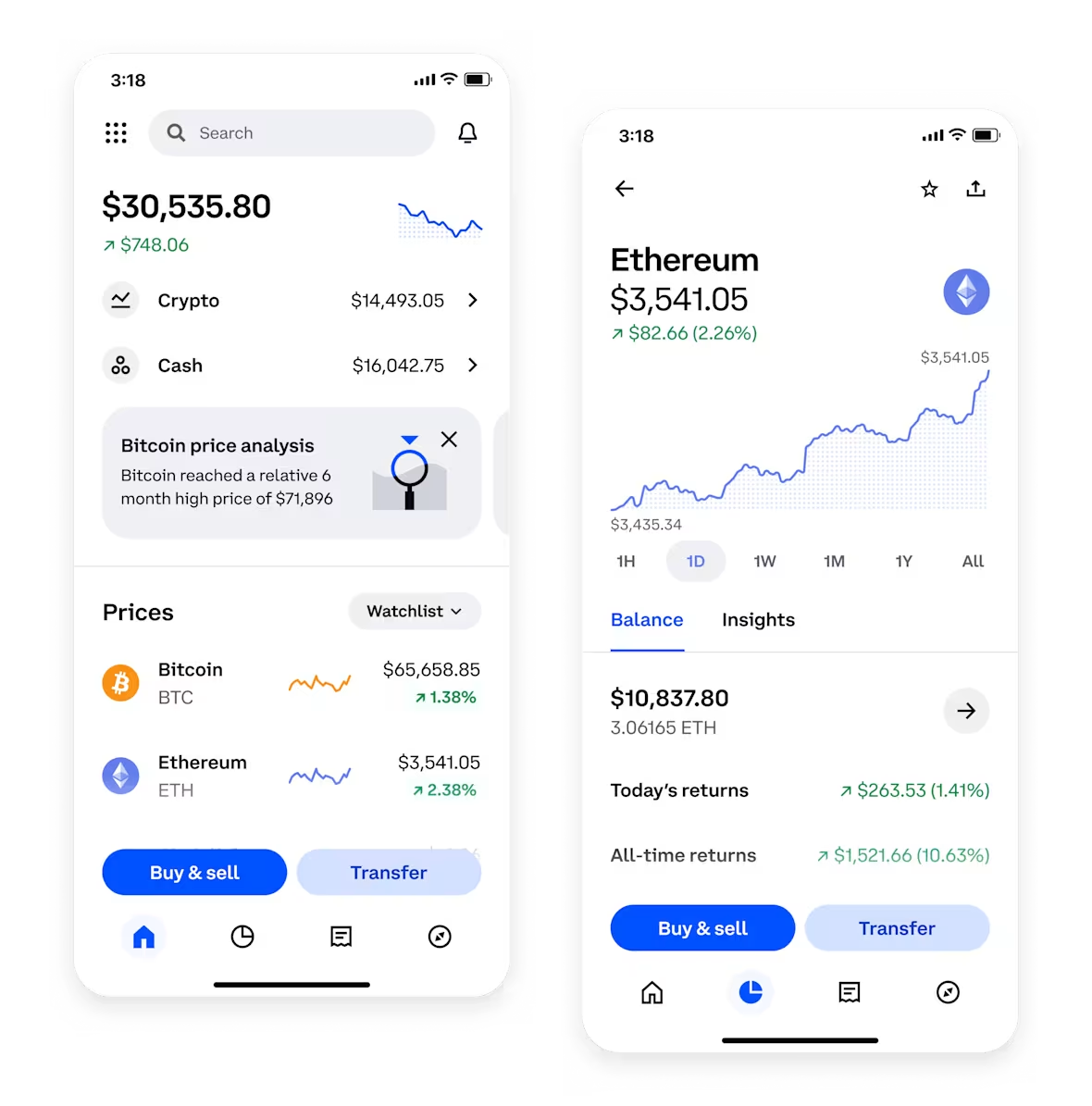
One of the most prominent alternatives is Coinbase, especially for users in the United States and Europe. Coinbase is known for its user-friendly interface and high security standards. To operate on Coinbase, you need to create an account, complete identity verification (KYC), and fund your wallet via bank transfer or debit card. The platform supports spot trading, staking, and a simple buy/sell function. It is ideal for beginners who prioritize regulatory compliance over lower fees.
Another major competitor is Kraken, which offers a robust trading platform with advanced features like margin trading and futures. Kraken is highly regarded for its security and transparency. To get started, register on Kraken.com, verify your identity, and deposit funds through wire transfer or crypto deposit. The interface includes a "Stake" section for earning passive income and a "Trade" tab for spot and margin orders. Kraken also provides a mobile app for on-the-go management.
For users seeking lower fees and a wider range of altcoins, Bybit and OKX are excellent choices. Bybit is famous for derivatives trading (futures and perpetual contracts) and offers competitive fees. To use Bybit, sign up, complete KYC (mandatory for withdrawals and higher limits), and deposit crypto or use fiat onramps. The "Unified Trading Account" system allows you to trade spot, futures, and options from one balance. OKX, similar to Binance in scope, provides a "Simple Trade" mode for beginners and a "Pro" mode for experienced traders. Key operations include enabling two-factor authentication, setting up API keys for automated trading, and using the "Earn" section for DeFi staking.
If you are in Asia or looking for peer-to-peer trading, KuCoin is a strong alternative. Often dubbed the "people's exchange" due to its wide asset support and social trading features, KuCoin allows you to trade without full KYC for small amounts. To operate, create an account, fund it with crypto, and use the "Spot" or "Margin" tabs. The platform has a built-in "KuCoin Earn" module for lending and staking, and a "Bot" section for automated trading strategies.
Before choosing any exchange, consider these operational steps: First, always verify the exchange's licensing and reputation (check sites like CoinGecko or Trustpilot). Second, enable all security features—especially hardware-based 2FA and withdrawal whitelists. Third, understand the fee structure, including maker-taker fees, withdrawal fees, and spreads. Fourth, test the platform with a small deposit first to learn the interface, order types (market, limit, stop-loss), and withdrawal processes.
In summary, while Binance remains a powerhouse, exchanges like Coinbase, Kraken, Bybit, OKX, and KuCoin provide distinct advantages depending on your location, trading style, and security requirements. The key to successful operation is not just finding an alternative, but learning the specific KYC process, funding methods, and trading tools of each platform. Always prioritize safety over convenience, and never invest more than you can afford to lose in the volatile crypto market.